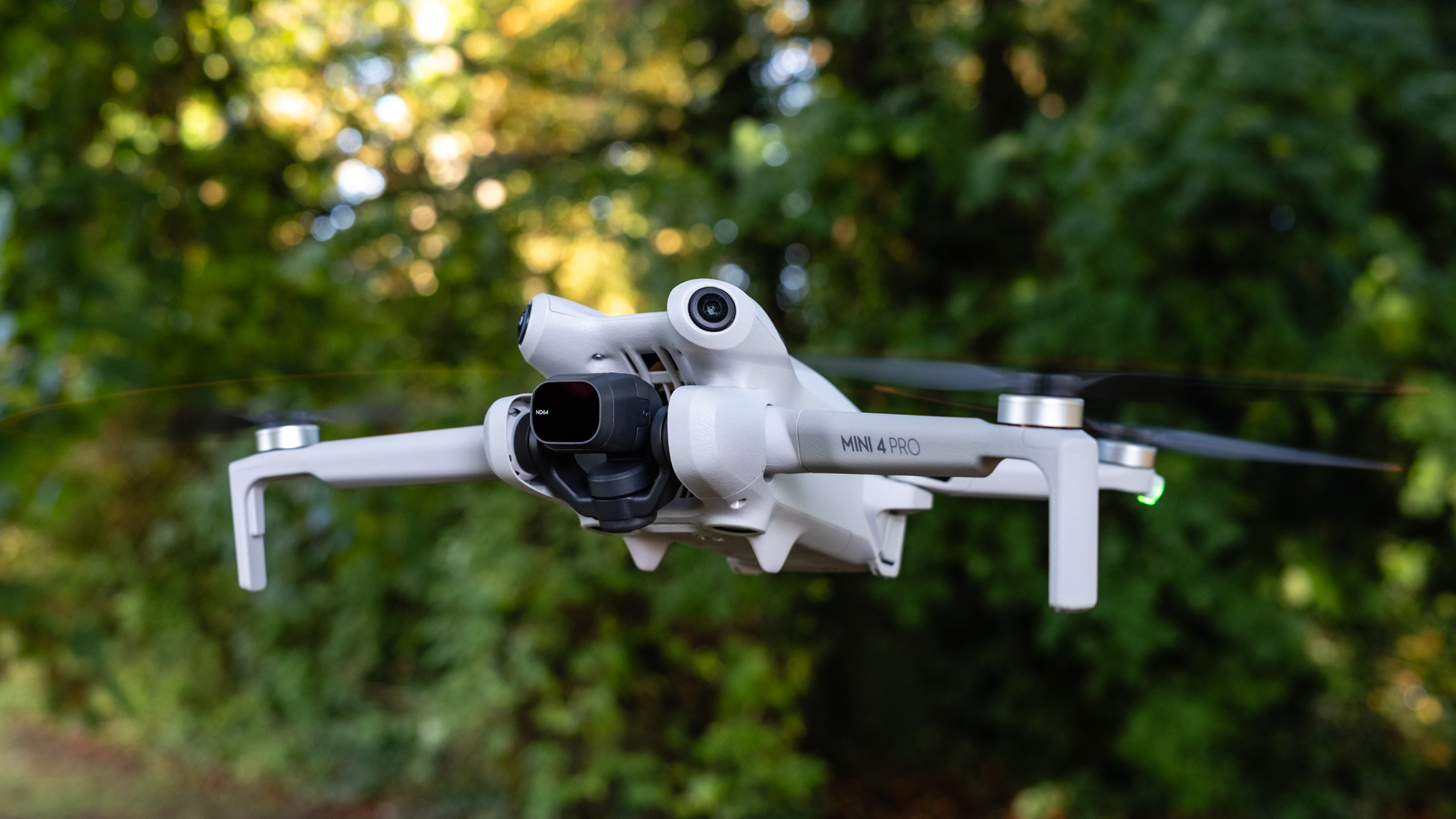
In a time in which tech continuously transforms our world, unmanned aerial vehicle operators stand at the forefront of the aerial age, transforming various sectors and redefining the airspace. With the versatility and advancements that UAVs provide, these talented pilots assume varied roles, ranging from scanning environments to capturing breathtaking aerial footage. Yet, dealing with the challenges of running drone flights requires not just a passion for flying but also an thorough understanding of laws, technical skills, and safety guidelines.
As the requirement for UAV operations grows, so does the requirement for drone pilots to become knowledgeable in the nuances of their profession. Including grasping the Federal Aviation Administration's Part 107 waivers for after-dark flights and operations over people to understanding the details of controlled airspace via the low altitude authorization system, the experience of a UAV pilot is one of continual growth and evolution. This article explores the essential competencies, effective methods, and specialized knowledge that operators must acquire to thrive in this ever-evolving field, leading to a new generation of UAV pioneers.
Federal Aviation Administration Guidelines and Authorizations
Interpreting the Federal Aviation Administration's regulations can be challenging for unmanned aerial vehicle operators, notably when it comes to particular activities like flying at night and operations over people. While the FAA has set explicit guidelines under Part 107, many commercial drone pilots seek variances to enhance the scope of their drone operations. These exceptions allow operators to fly under conditions that would otherwise be restricted, enabling a greater variety of applications in multiple fields.
To effectively get a variance, it is important for operators to completely comprehend the requirements required by the FAA. An efficient waiver application must prove how safety will be upheld despite flying outside the standard rules. https://pad.stuve.uni-ulm.de/s/Y8x2UtoBP could include providing comprehensive operational plans, risk evaluations, and any required pilot qualifications. Drone Pilots Alvie Inverness-shire can be time-consuming, but being thoroughly prepared can significantly boost the chances of getting accepted.
For pilots looking to operate in regulated airspace, using the Low Altitude Authorization and Notification Capability system is vital. This system streamlines the process of get the required permissions to fly in specific zones, ensuring adherence with regulatory requirements. Understanding how to effectively use the LAANC system can simplify the operational planning process, allowing UAV operators to concentrate on carrying out their flights securely and effectively.
Technological Issues and Solutions
UAV operators face many technical difficulties, particularly when navigating regulations set forth by the Federal Aviation Administration. For instance, understanding how to secure FAA Part 107 waivers for nocturnal operations and activities over people can be daunting. Pilots must carefully prepare their proposals, providing thorough safety procedures and risk assessments to ensure conformity. This process offers an occasion for operators to demonstrate their competence while expanding their operational capabilities under the broad framework of regulations.
Another key area of concern is the need to interact with the Federal Aviation Administration for restricted airspace access. Utilizing the Low Altitude Authorization and Notification Capability (LAANC) platform is vital for UAV operators to obtain the required documentation necessary for flying in these regions. By diligently employing this technology, pilots can simplify their flight planning workflows and safely integrate their missions within restricted zones, ultimately boosting their effectiveness and adherence.
Additionally, understanding the equipment is vital for drone pilots, particularly concerning the adjustment of instruments and systems. Magnetic interference significantly affects the compass and IMU alignments, impacting flight stability and precision. Understanding how to mitigate these effects not only improves flight safety but also enhances data quality during missions. Operators can achieve this by consistently checking environmental factors and applying suitable tuning techniques, ensuring dependable operation in various settings.
Business Practices and Best Practices
In the world of business drone operations, understanding compliance compliance is paramount. Operators must manage FAA Part 107 exemptions particularly for night flying and operations over populated areas, ensuring they satisfy specific paperwork criteria for clearing restricted airspace. Employing the Low Altitude Authorization and Notification Capability (LAANC) system facilitates this procedure, allowing operators to operate inside regulatory bounds while enhancing operational flexibility.
Furthermore, drone operators need to execute stringent maintenance practices to enhance safety and efficiency. Frequent rotor inspections and balancing are critical for high-RPM performance, while effective cleaning techniques for camera sensors and gimbal bearings ensure ideal image clarity. Adjusting to environmental factors, such as wind and temperature impacts on flight duration, is vital for planning missions and informing clients about feasible operational windows.
Lastly, detailed record-keeping plays a crucial role in promoting integrity in business operations. Structuring a professional flight log not only aids in clarity for insurance audits but also establishes trustworthiness in the eyes of clients. By utilizing real-time telemetry data, operators can prevent potential flyaways, maintaining the integrity of flights. Understanding Drone Pilots Snizort Inverness-shire , from battery management to GPS correction systems, ultimately sets apart a proficient drone pilot.