

This realm of UAV piloting has developed dramatically over the decades, shifting from a niche pastime into a booming professional industry. As technology has advanced, the possible applications for drones have broadened considerably, including areas like aerial photography, surveying, agriculture, and infrastructure inspection. With heightened interest in this field, many enthusiasts are now looking to to transition from casual flying to a full-time career, dealing with the complexities of regulations, technical challenges, and market demands.
For those aspiring to make this transition, understanding the unique requirements and skills needed to operate drones in a professional capacity is essential. This process often requires mastering FAA regulations, honing technical proficiencies in drone operation, and developing a deep knowledge of industry standards. From acquiring necessary waivers for night flying to comprehending how to process LiDAR data, aspiring drone pilots must prepare themselves with a wide range of expertise. In this article, we will explore the critical components that define the professional drone pilot’s experience and provide applicable insights for a smooth transition.
Navigating FAA Regulations and Exemptions
Understanding FAA rules is crucial for any drone pilot seeking to transition from amateur to commercial. The FAA regulates drone usage under Part 107, which details rules for commercial drone flights. However, specific scenarios, such as after dark flying or flights over people, may require securing waivers. This procedure includes proving that you can operate safely, providing information about your planned operation, and outlining how you will reduce any challenges involved. Successfully navigating this process can create new possibilities for aerial photography, inspections, and other business services.
One primary challenge drone pilots encounter is grasping the specific documentation needed to fly within controlled airspace. Utilizing the Low Altitude Authorization and Notification Capability (LAANC) can expedite this process by allowing pilots to obtain instant airspace authorizations. Familiarity with this system not only aids in adherence but guarantees that you can execute your mission without unnecessary delays. As you progress in your profession, being proficient at LAANC will set you apart from more inexperienced pilots and can be essential for securing deals that require complex airspace.
Furthermore, awareness of how electromagnetic interference affects drone calibration is vital for maintaining flight safety. Electromagnetic interference can disturb a drone's compass and navigation systems, leading to inaccurate positioning data and potential flight hazards. A certified drone pilot must be able to detect sources of noise and carry out necessary calibrations to ensure reliable flight performance. Mastering these aspects of navigation and safety regulations will help establish your credibility and trustworthiness in the drone pilot industry.
Insights on Technology and Best Practices
Navigating the regulatory framework is essential for emerging drone pilots shifting from amateurs to industry experts. Comprehending how to navigate Drone Pilots Cawdor Inverness-shire presents a unique challenge, especially for after-dark flights and people-surpassing maneuvers. It is important to familiarize yourself with the necessary documentation needed to navigate controlled airspace via LAANC, which provides for up-to-date access to space limitations. By grasping these regulations, pilots can ensure conformity and protection while broadening their flight abilities.
The significance of upkeep and calibration cannot be overstated. Electromagnetic disturbance can significantly impact a drone's compass and IMU settings, leading to flight errors. Regular inspections and focus on adjustment protocols are crucial for reliable performance. Additionally, understanding the distinctions between analog and automated shutters in drone mapping can improve the quality of photos, making it crucial for pilots to pick the appropriate equipment based on their data collection objectives.
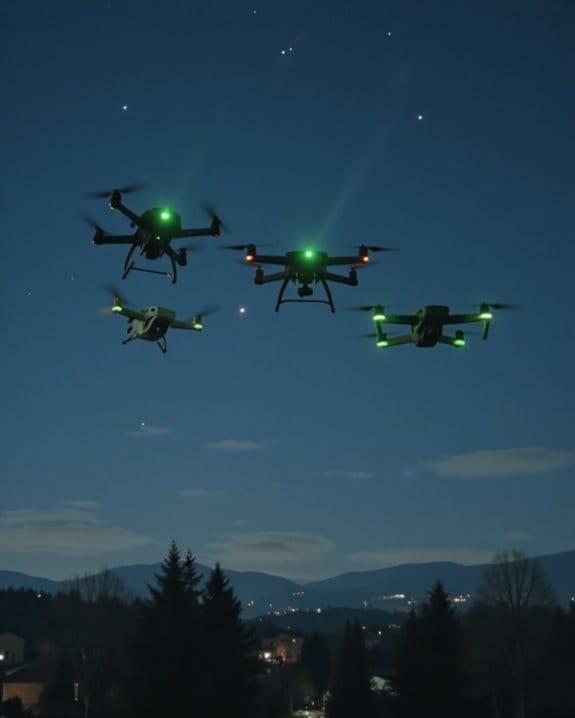
Professional drone pilots must be strategic in their flight activities, particularly regarding security and paperwork. Creating Drone Pilots Inverness Inverness-shire in recording of operations but is also critical for insurance assessments. Knowing the factors drone insurers require in a business insurance plan ensures that pilots have adequate coverage. As drone technology advances, keeping informed on recommended standards, including cargo limits and regular check-up routines, stays key to reaching sustained achievements in the market.
Operational Considerations and Safety Protocols
Maintaining situational awareness is vital for any UAV pilot, especially when using in intricate environments. Pilots must always comply with visual line of sight VLOS regulations, using visual spotters if necessary to expand pilots’ operational options while ensuring compliance to FAA protocols. Such a method not only enhances safety by permitting pilots to concentrate on the flying and helps in preventing illicit professional flights and possible airspace breaches.
Meteorological conditions might greatly affect flight safety. High winds and reduced temperatures can severely reduce drone flight times, causing it necessary for drone pilots to consult weather updates and realize how such factors influence battery performance and UAV operation. Additionally, routine care checks, including propeller evaluations and adjustments for the compass and IMU, are vital. This routine practice might avert technical issues and guarantee that the drone reacts correctly in pivotal missions.
Emergency planning is yet another crucial element in safe UAV flights. Pilots ought to develop as well as frequently revise a detailed flying journal which includes occurrence records, maintenance records, and pre-flight lists. Such structured record-keeping serves as advantageous not only for individual record but also in business liability reviews, demonstrating a commitment to safety and professionalism. Grasping what UAV insurance providers require within professional coverage policies documents might further safeguard drone pilots in case of situations in the event of unexpected events while flights.