

As the drone technology evolves, the realm of photography and videography from the air has created new opportunities for professionals and hobbyists alike. Whether you are capturing breathtaking landscapes, checking infrastructure, or showcasing real estate from above, perfecting the art of drone photography demands both skill and knowledge of the regulations and techniques that govern flight. With the right tips and tricks, you can elevate your aerial imagery and make sure your operations are both in compliance and safe.
In this guide will dive into essential insights for drone pilots that cover a wide range of topics, from understanding FAA Part 107 waivers for specific tasks to understanding the intricacies of drone insurance policies. We will also examine the technical side, such as the impact of magnetic interference on drone calibrations and the variances between mechanical and electronic shutters in mapping applications. By equipping yourself with this knowledge, you will not only enhance your craft but also establish yourself as a knowledgeable and responsible professional in the rapidly growing field of drone photography. spintax #### Understanding FAA Guidelines for Business Drone Operations
Grasping FAA regulations is vital for any drone pilot wanting to conduct operations commercially. Drone Pilots Alvie Inverness-shire governing commercial drone operations in the U.S. is FAA Part 107. This regulation outlines the requirements for drone operation, including pilot certification, aircraft requirements, and operational limitations. To fly a drone for business, you must obtain a Remote Pilot License by passing a written knowledge test. Acquainting yourself with the contents of Part 107 not only aids ensure conformity but also enhances your operational safety and efficiency.
For more sophisticated maneuvers, such as night flying or operating over people, securing a waiver from the FAA is mandatory. Handling the waiver process can be complicated, but understanding the specific documentation needed and having a solid plan in place assists simplify your application. You'll need to prove a thorough understanding of the risks involved and how you plan to reduce them, ensuring that your operations can be conducted safely. Knowing the criteria that the FAA utilizes to evaluate waiver requests can significantly enhance your chances of acceptance.
Another important aspect of FAA regulations is the management of controlled airspace. Utilizing the Low Altitude Authorization and Notification Capability (LAANC) system is essential for drone pilots who wish to operate in controlled airspace. This system permits you to request airspace authorizations quickly and effectively, with immediate feedback on your request status. Becoming familiar yourself with LAANC documentation and specifications is crucial for maintaining compliance while expanding your operational capabilities in busy airspace environments.
Key Methods for Precise UAV Surveying and Surveying
Precise drone surveying starts with understanding ground control points and their suitable density. The ideal GCP concentration direct influences the precision of your photogrammetry results. A increased density of GCPs typically leads to more precise mapping, especially in challenging terrains. It is crucial to define your project's needs and refine your GCP location to ensure that each area of focus is adequately addressed.
Utilizing RTK (Real Time Kinematic) and PPK (Post Processing Kinematic) GPS technologies can greatly boost locational accuracy during mapping efforts. While RTK delivers immediate results, PPK offers corrections post the flight, which can sometimes produce even more precise data. Grasping the mechanics and pros of these systems is vital when executing accurate surveying tasks, as they can affect the completeness of the data gathered.
Finally, caring for equipment is crucial for effective mapping and mapping. Regularly inspect and tune your drone's instruments, cameras, and GPS systems to avoid inaccuracies caused by mechanical failures. Additionally, be aware of factors such as EMI, which can impact the compass and IMU settings, resulting in unreliable flight paths and data. Maintaining all components in peak condition safeguards that your UAV produces the highest quality mapping results.
Protection and Upkeep Best Techniques for Drone Pilots
Regular maintenance is essential to ensuring the protection and lifecycle of your drone. Before each flight, conduct a comprehensive pre-flight check, which consists of examining the airframe for any evidence of deterioration or defects, checking propellers for breaks or imperfections, and ensuring that the battery is adequately charged and free of any bulging. Drone Pilots Barra Inverness-shire can stop malfunctions during flight, which can lead to accidents.
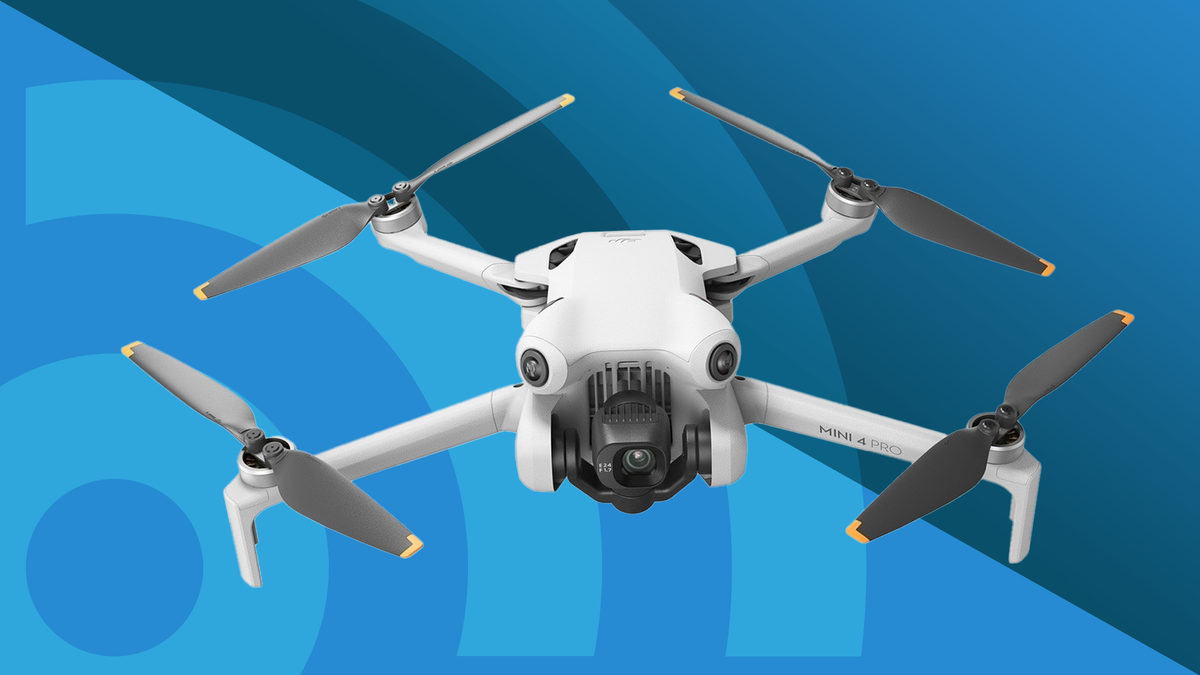
Maintaining your drone frequently is also vital for maintaining its functionality. Dust, moisture, and debris can interfere with the sensors and gimbal, diminishing image quality and stability. Use a soft cloth to clean the camera sensor and gimbal bearings gently, and avoid using harsh chemicals that could damage sensitive components. Keep the drone stored in a safe environment to minimize exposure to harsh environment.
Furthermore, understand the external factors that can influence your drone's operation. High winds and low temperatures can significantly decrease flight times and affect stability. Always check weather conditions before heading out and adjust your plans if reports indicate unfavorable flying conditions. Being aware of these factors and caring for your equipment will not only ensure safer operations but also enhance the standard of your aerial photography.